Fistula Treatment in Palanpur
Expert care by Dr. Parth Prajapati · Palanpur, Gujarat
What is Fistula (Anorectal Fistula)?
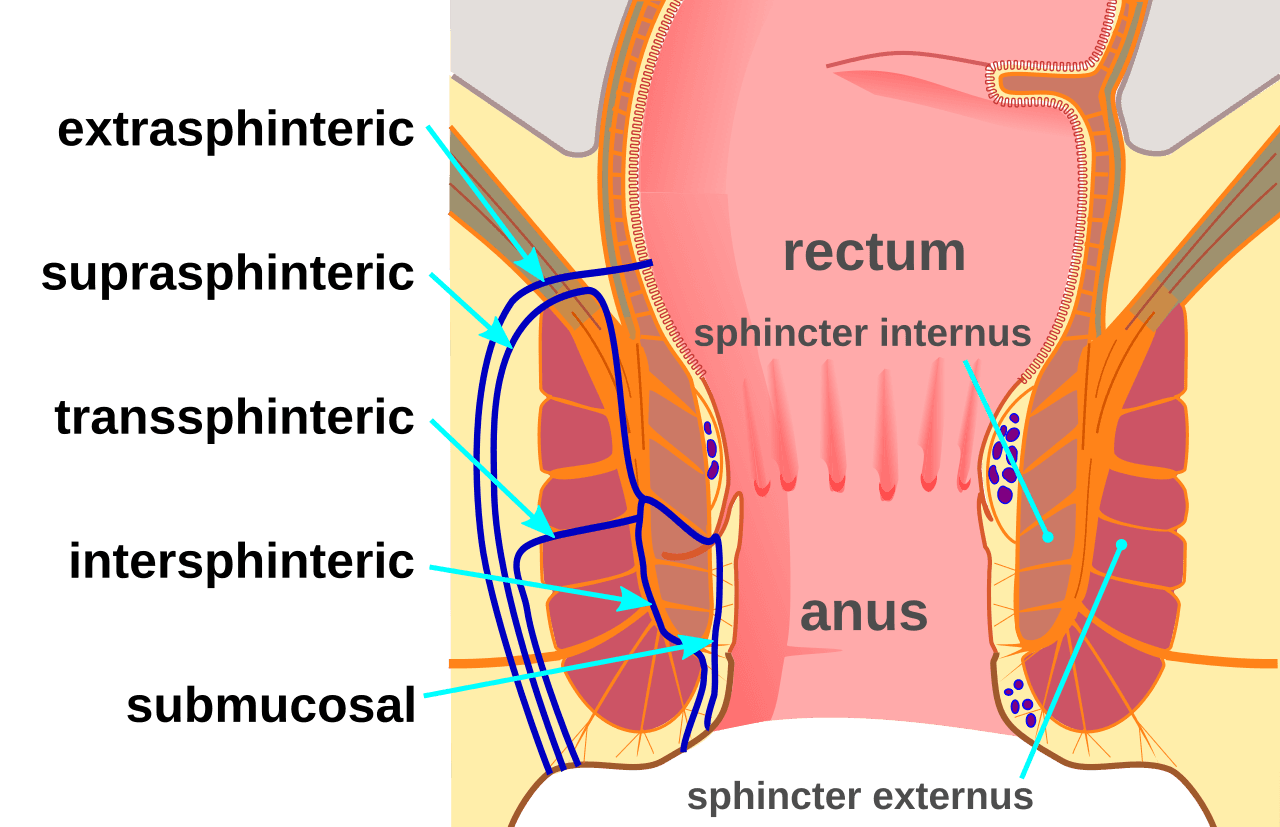
An anorectal fistula is an abnormal tunnel-like tract that forms between the inside of the anal canal and the skin near the anus. It usually develops as a result of an anal abscess that doesn't heal properly. Fistulas require surgical treatment as they rarely heal on their own.
Causes
Symptoms
Treatment Options
Conservative Management
- Antibiotics for active infection
- Warm compresses and sitz baths for symptom relief
- Proper wound hygiene and drainage management
- Pain management with prescribed medications
Surgical / Interventional Options
Fistulotomy
Laying open the entire fistula tract for healing
High success rate (90%+), definitive treatment
Risk of sphincter damage in complex fistulas
LIFT Procedure
Ligation of the intersphincteric fistula tract
Sphincter-preserving, low recurrence
Technically demanding, not for all types
Seton Technique
Thread placed through fistula to promote gradual healing
Preserves sphincter, staged approach
Multiple procedures needed, longer treatment
Laser Fistula Treatment
Laser energy destroys the fistula tract from inside
Minimally invasive, sphincter-preserving, fast recovery
Higher cost, may not suit complex fistulas
Post-Treatment Care
- Keep the wound clean with regular sitz baths
- Change dressings as directed by your surgeon
- Take prescribed antibiotics and pain medication
- Follow a high-fiber diet for soft bowel movements
- Avoid strenuous activity for 2–4 weeks
- Attend all follow-up appointments for wound monitoring
Frequently Asked Questions
Find answers to common questions about this condition
A fistula is an abnormal tunnel connecting the inside of the anal canal to the skin near the anus, usually caused by an anal abscess.
Most fistulas develop from anal abscesses. Other causes include Crohn's disease, infections, tuberculosis, and trauma.
No. Fistulas rarely heal without surgical intervention. They tend to persist or worsen without treatment.
Symptoms include persistent drainage of pus near the anus, pain, swelling, fever, and skin irritation.
Diagnosis involves physical examination, and may include MRI or endoanal ultrasound to map the fistula tract.
Options include fistulotomy, LIFT procedure, seton technique, and laser fistula treatment depending on complexity.
Recovery varies by procedure — simple fistulotomy heals in 4–6 weeks, while complex cases may take longer.
Recurrence is possible (5–15% depending on procedure). Proper surgical technique and follow-up care minimize this risk.
Modern techniques like laser treatment are minimally invasive with significantly less pain than traditional surgery.
Prompt treatment of anal abscesses, maintaining good hygiene, and managing underlying conditions like Crohn's disease help prevent fistulas.
Fistula Patient Reviews
Real stories from patients who trusted us with their care
“I was suffering from piles for over 5 years. Dr. Parth Prajapati performed the laser surgery and I was back to normal within a week. Highly recommended!”
Suffering from Fistula? Get Expert Care Today.
Dr. Parth Prajapati · +91 90810 95640
Book Appointment →