Rectal Prolapse Treatment in Palanpur
Expert care by Dr. Parth Prajapati · Palanpur, Gujarat
What is Rectal Prolapse (Prolapsed Rectum)?
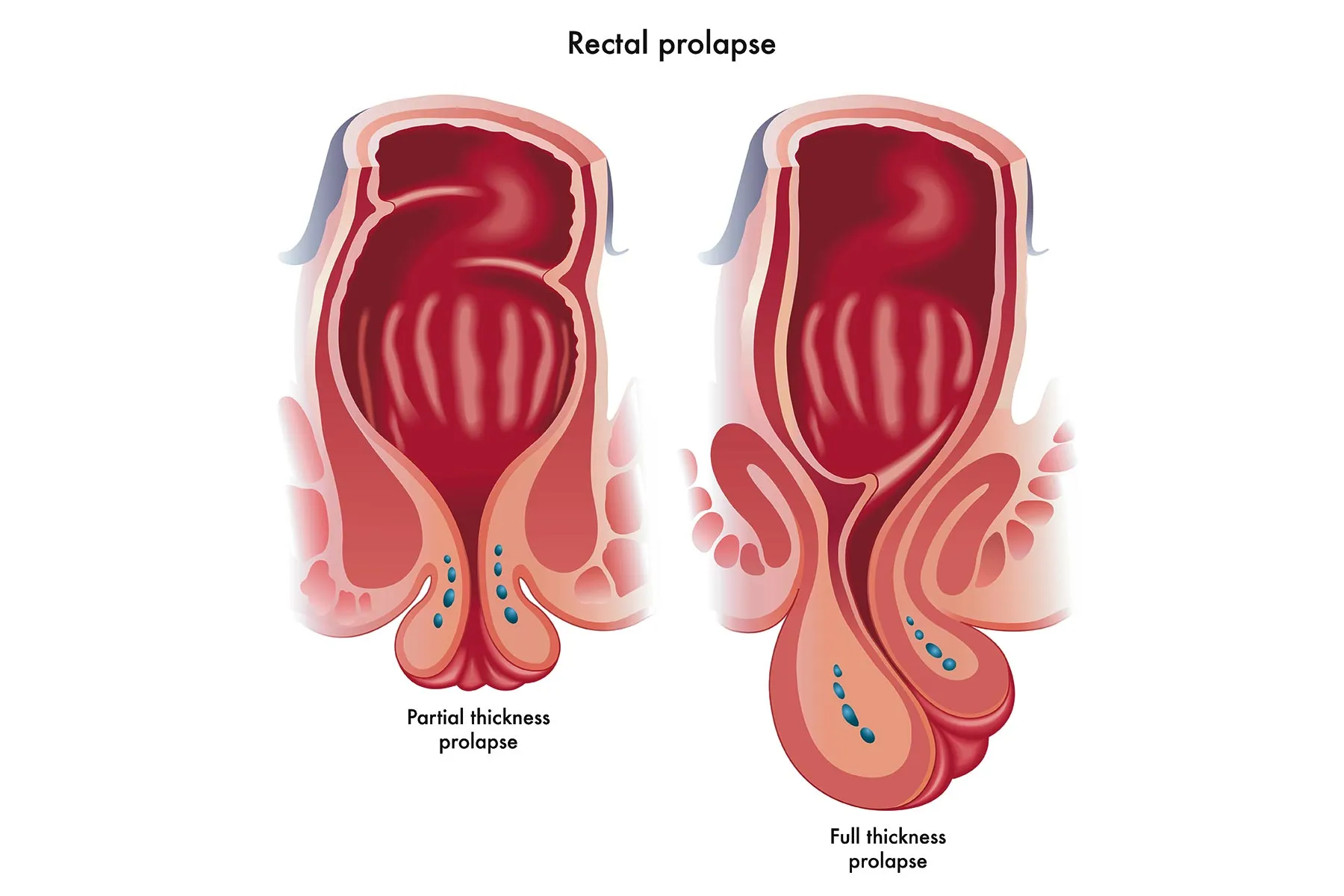
Rectal prolapse occurs when part or all of the wall of the rectum slides out of place, sometimes protruding through the anus. It can range from a mild internal prolapse to a full-thickness external prolapse. While it can affect anyone, it is more common in older adults and women. Early treatment prevents complications and improves quality of life significantly.
Causes
Symptoms
Treatment Options
Conservative Management
- Pelvic floor exercises (Kegel exercises) to strengthen muscles
- High-fiber diet with adequate hydration to prevent straining
- Stool softeners to ease bowel movements
- Biofeedback therapy for pelvic floor retraining
- Avoiding heavy lifting and prolonged straining
Surgical / Interventional Options
Laparoscopic Rectopexy
Keyhole surgery to secure the rectum in its correct position
Minimally invasive, faster recovery, less pain
Requires general anesthesia, specialized equipment
Delorme's Procedure
Removal of the inner lining of the prolapsed rectum
Suitable for elderly, can be done under regional anesthesia
Higher recurrence rate than abdominal approaches
Altemeier's Procedure
Perineal approach to remove the prolapsed segment
No abdominal incision, suitable for high-risk patients
Potential for recurrence, may affect continence
Post-Treatment Care
- Maintain a high-fiber diet and stay well hydrated
- Continue pelvic floor exercises as recommended
- Avoid heavy lifting for 4–6 weeks post-surgery
- Use stool softeners to prevent straining
- Attend all follow-up appointments for monitoring
- Report any signs of recurrence promptly
Frequently Asked Questions
Find answers to common questions about this condition
Rectal prolapse is a condition where the rectum (the last part of the large intestine) slides out of its normal position and protrudes through the anus.
Common causes include chronic constipation, weakened pelvic floor muscles, aging, previous surgeries, and neurological conditions.
While not immediately life-threatening, untreated prolapse can worsen over time, leading to incontinence, ulceration, and significant quality of life issues.
Mild cases may improve with pelvic floor exercises and dietary changes, but most cases require surgical correction for lasting relief.
Recovery varies by procedure — laparoscopic surgery typically requires 2–4 weeks, while perineal procedures may heal faster.
Recurrence is possible but rates are low with modern surgical techniques (5–10%). Pelvic floor exercises reduce recurrence risk.
Rectal Prolapse Patient Reviews
Real stories from patients who trusted us with their care
“I was suffering from piles for over 5 years. Dr. Parth Prajapati performed the laser surgery and I was back to normal within a week. Highly recommended!”
Suffering from Rectal Prolapse? Get Expert Care Today.
Dr. Parth Prajapati · +91 90810 95640
Book Appointment →