Perianal Abscess Treatment in Palanpur
Expert care by Dr. Parth Prajapati · Palanpur, Gujarat
What is Perianal Abscess (Anorectal Abscess)?
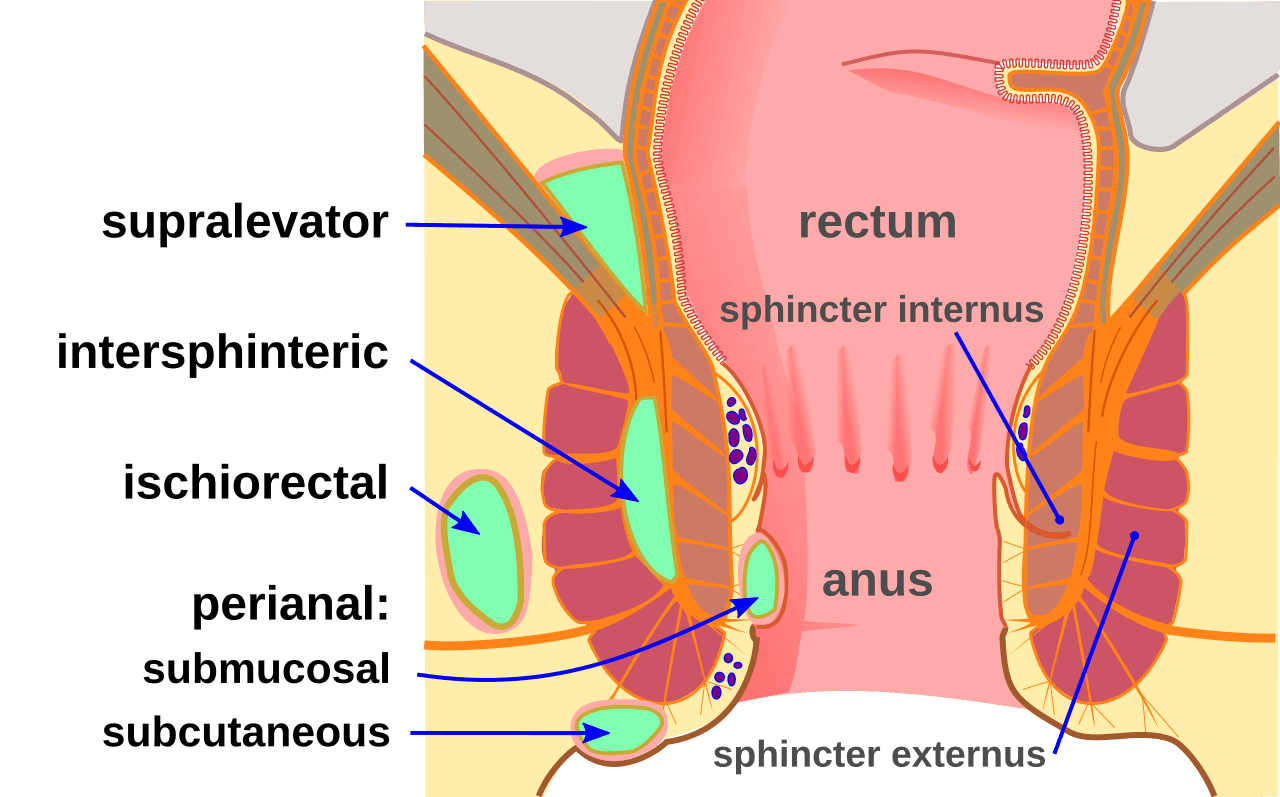
A perianal abscess is a painful, pus-filled cavity that develops near the anus or rectum. It typically results from an infection of the small glands inside the anal canal. If left untreated, a perianal abscess can lead to serious complications including fistula formation. Prompt drainage and appropriate antibiotic therapy are essential.
Causes
Symptoms
Treatment Options
Conservative Management
- Antibiotics for early-stage or mild infections
- Warm compresses and sitz baths for symptom relief
- Pain management with prescribed analgesics
- Monitoring for signs of progression
Surgical / Interventional Options
Incision & Drainage
Surgical opening and draining of the abscess cavity
Immediate relief, can be done under local anesthesia
Wound requires packing and daily care
Drainage with Fistula Assessment
Drainage combined with examination for underlying fistula tract
Addresses both abscess and potential fistula simultaneously
May require staged procedures
Catheter Drainage
Placement of a small catheter for continuous drainage
Lower recurrence rate, controlled drainage
Catheter needs to stay in place for several days
Post-Treatment Care
- Keep the wound clean with regular sitz baths
- Change wound packing/dressing as instructed
- Complete the full course of prescribed antibiotics
- Take pain medications as needed
- Watch for signs of fistula formation (persistent drainage)
- Follow up within 1–2 weeks for wound assessment
Frequently Asked Questions
Find answers to common questions about this condition
It is a painful collection of pus that forms near the anus, usually from an infected anal gland.
Rarely. Most abscesses require surgical drainage. Delaying treatment can lead to serious complications including fistula.
Perianal abscesses are considered urgent. Seek medical attention promptly to prevent the infection from spreading.
About 30–50% of perianal abscesses may lead to fistula formation. Early and proper treatment reduces this risk.
Most patients feel significant relief immediately after drainage. Complete wound healing takes 2–4 weeks.
Perianal Abscess Patient Reviews
Real stories from patients who trusted us with their care
“I was suffering from piles for over 5 years. Dr. Parth Prajapati performed the laser surgery and I was back to normal within a week. Highly recommended!”
Suffering from Perianal Abscess? Get Expert Care Today.
Dr. Parth Prajapati · +91 90810 95640
Book Appointment →